

I used to spend hours calling cold leads, knocking on doors, and chasing prospects who weren't even thinking about selling. Sound familiar? After 15 years in real estate, I thought this was just how the game worked. Then I discovered predictive real estate leads, and everything changed.
Let me share the numbers that made me a believer: 72-74% accuracy in predicting home listings compared to the industry average conversion rate of just 2.4-3.4%. That's not a small improvement: that's a complete game-changer.
The Problem with Traditional Lead Generation
I remember those early days when I'd buy lead lists and cross my fingers. Out of 100 calls, maybe 2-3 people were actually considering selling. The rest? Complete waste of time. I was essentially throwing darts in the dark, hoping something would stick.
Traditional prospecting methods rely on outdated assumptions. We'd target homeowners based on basic criteria like how long they'd owned their property or their age. But here's the reality: only 5% of homeowners are actively considering selling at any given time. The rest of our efforts were going nowhere.
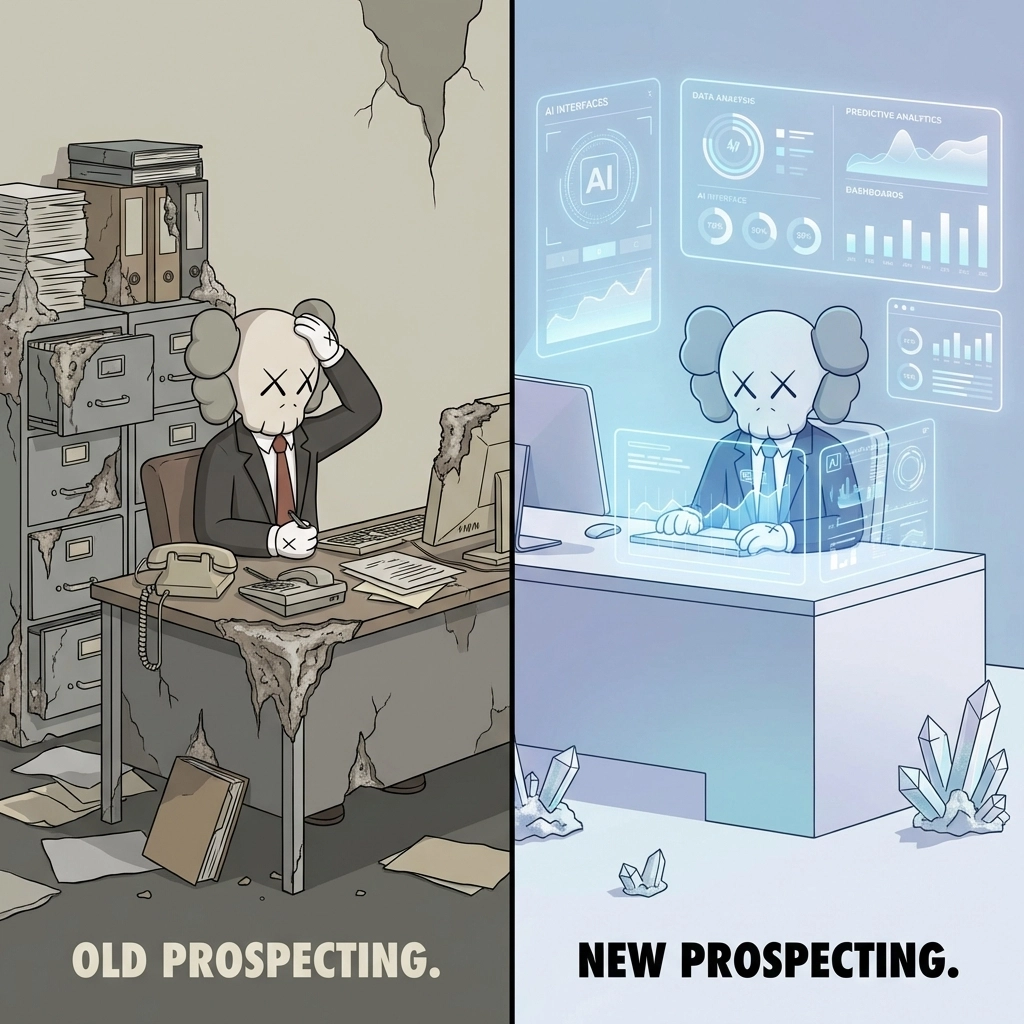
The frustration was real. I'd spend entire mornings making calls to people who hung up on me or had zero interest in selling. My conversion rates were terrible, my confidence was shot, and I was burning through marketing budgets faster than I could generate commissions.
Enter Predictive Analytics: The Crystal Ball for Real Estate
Then I stumbled across AI real estate lead generation and predictive seller leads software. I'll admit, I was skeptical. How could a computer algorithm predict who wants to sell better than my years of experience?
The science behind it blew my mind. These systems analyze approximately 1,700 data points per property across the United States. We're talking about:
- Digital behavior patterns (website visits, email engagement, property searches)
- Sociodemographic data and life events
- Financial stability indicators
- Courthouse records and geographic insights
- Household change signals
This isn't guesswork: it's mathematical prediction based on massive datasets that no human brain could process.
The Numbers That Changed Everything
When I started using predictive real estate leads, my conversion rates jumped from 5% to 27%. That's not a typo. I went from struggling to hit my monthly targets to consistently exceeding them.
Here's what really got my attention: these systems can identify potential listings an average of 42.5 days before properties officially hit the market. Imagine having a 6-week head start on every competitor in your area. That's exactly what happened to me.

In premium markets, the results are even more impressive. I've seen 27.3% conversion rates in markets with homes over $1 million. When leads are provided 30-60 days before a sale occurs, conversion rates peak at an incredible 30.7%.
Compare that to cold calling random homeowners, where you're lucky to get a 2% response rate, let alone actual listings.
Real-World Impact on My Business
Three months after implementing predictive seller leads software, I had closed more deals than in the previous six months combined. Instead of making 200 calls to get one maybe, I was making 20 calls and getting 5-6 serious conversations.
My typical week used to look like this:
- 40 hours of prospecting
- 150+ phone calls
- 2-3 lukewarm leads
- Maybe 1 listing appointment
- Lots of rejection and frustration
Now my week looks completely different:
- 15 hours of targeted outreach
- 50 high-quality calls
- 12-15 engaged prospects
- 6-8 listing appointments
- Consistent pipeline growth

The transformation wasn't just in my numbers: it was in my confidence. When you know the person you're calling has a 74% likelihood of selling, you approach that conversation completely differently. You're not begging for their attention; you're providing a valuable service at exactly the right time.
Why Traditional Agents Are Getting Left Behind
While I was experiencing 20-30% improvements in closed deals, I watched competitors stick to their old methods. They're still buying aged lead lists, still doing mass mailings to entire neighborhoods, still hoping something sticks.
The agents who haven't adopted likely to sell home leads technology are essentially competing with one hand tied behind their back. They're working harder while I'm working smarter.
Here's what separates predictive leads from traditional methods:
Traditional Approach:
- Broad demographic targeting
- Generic messaging to large groups
- Low accuracy (2-5% conversion)
- High time investment for minimal return
- Reactive prospecting
Predictive Approach:
- Precision targeting based on 1,700+ data points
- Personalized outreach to motivated prospects
- High accuracy (68-85% prediction rates)
- Efficient use of time and resources
- Proactive pipeline building
The Competitive Advantage Is Real
When I tell other agents about my results, they often ask if the market has just been good to me. The truth is, I'm playing in the same market as everyone else: I just have better intelligence.
Real estate lead prediction software doesn't create more buyers or sellers. It identifies the ones who already exist but haven't made themselves known yet. It's like having insider information on every potential listing in your territory.
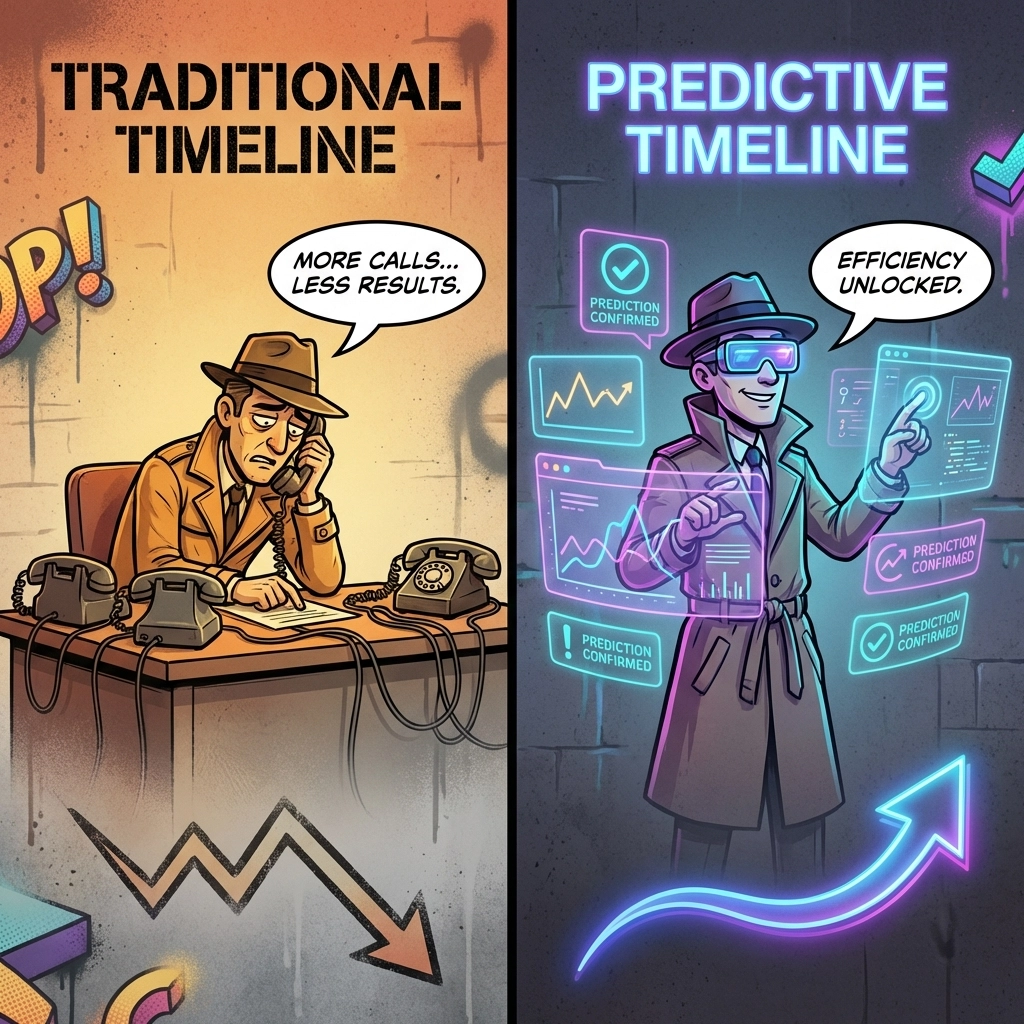
Last quarter, I secured three exclusive listings before the homeowners had even contacted any other agents. How? Because I reached out to them 40+ days before they were ready to list, built relationships early, and positioned myself as their trusted advisor before anyone else knew they existed.
Making the Switch: What to Expect
If you're considering predictive real estate leads, here's what the transition looked like for me:
Week 1-2: Learning the platform and understanding the scoring system. The initial investment felt scary, but the data quality was immediately obvious.
Week 3-4: First conversations with high-probability prospects. The difference in engagement was night and day compared to cold leads.
Month 2: First listing from a predictive lead. The homeowner told me I was the only agent who had contacted them, even though they'd been thinking about selling for months.
Month 3+: Consistent pipeline of motivated sellers, higher close rates, and dramatically reduced prospecting time.
The learning curve exists, but it's not steep. Most seller lead generation for realtors platforms are designed to be user-friendly, even for agents who aren't tech-savvy.
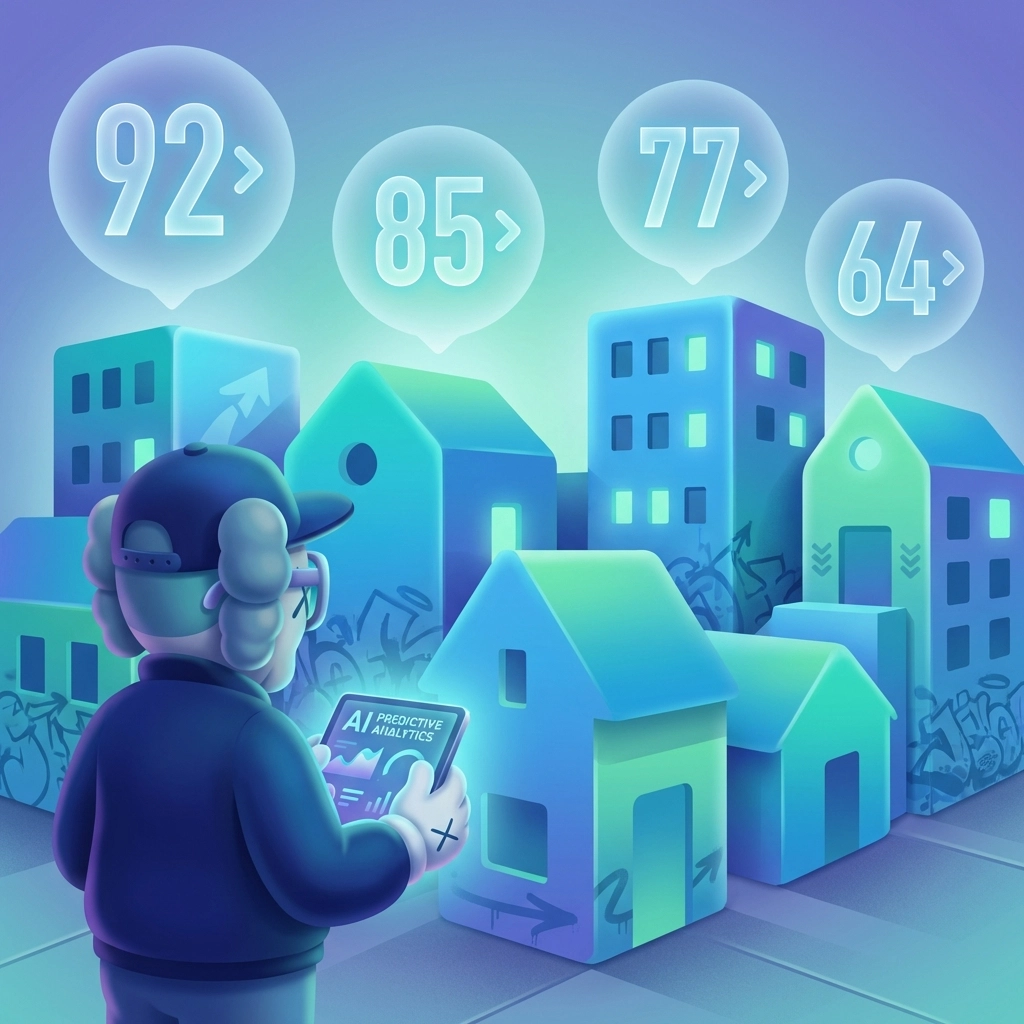
The Future of Real Estate Prospecting
I believe we're at a tipping point in real estate. Agents who embrace AI and predictive analytics will dominate their markets, while those who stick to traditional methods will struggle to compete.
The technology isn't just getting better: it's becoming more accessible. What used to cost thousands per month is now available to individual agents at reasonable monthly fees.
My advice? Don't wait until your competition figures this out. The early adopters are already building significant advantages in their markets. AI real estate lead generation isn't the future: it's the present, and it's working right now.
After 15 years of grinding through traditional prospecting, I wish I'd discovered predictive leads sooner. The combination of higher accuracy, earlier identification, and better conversion rates has transformed not just my business, but my entire approach to real estate.
The 68-85% accuracy rates aren't marketing hype: they're the reality of modern lead generation. And for agents ready to evolve their prospecting strategy, the results speak for themselves.