
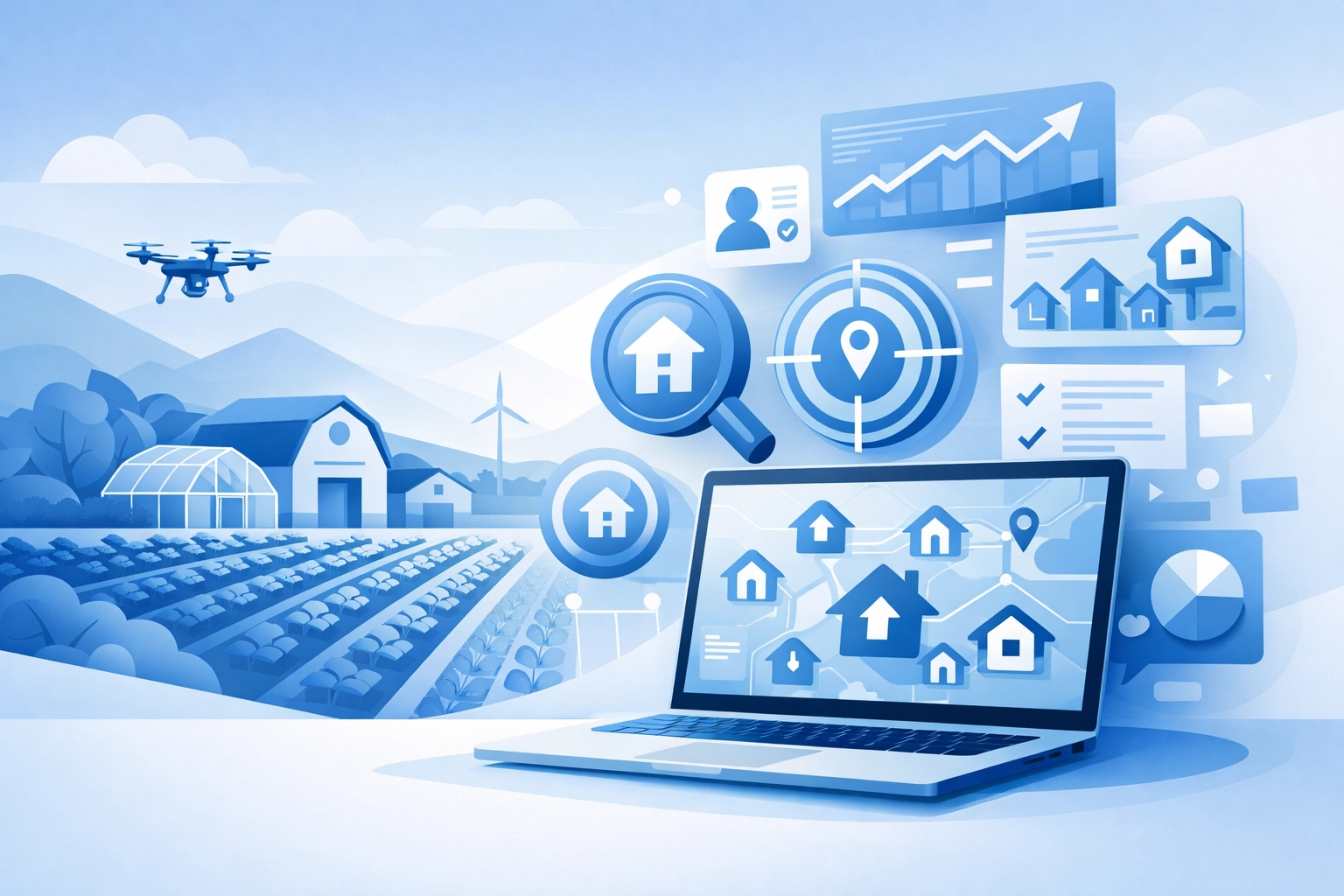
I used to think "more is better" when it came to prospecting. More calls. More doors knocked. More postcards sent to every ZIP code in town.
Then I watched my marketing budget evaporate while my listing pipeline stayed bone dry.
The problem wasn't effort. It was aim. I was spraying and praying across 3,000 homes hoping something would stick, when I should've been laser-focused on the 300 homes where sellers were actually thinking about moving.
That's micro-farming in 2026. And it's completely changing how top agents build their listing inventory.
What Is Micro-Farming (And Why It's Not What You Think)
Forget the old-school definition of "farming a neighborhood." I'm not talking about blanketing an entire subdivision with generic postcards for 18 months until someone remembers your face.
Micro-farming is about targeting a hyper-specific group of homeowners who are statistically likely to sell in the next 180 days: and dominating that small group with consistent, valuable touchpoints.
Instead of working 3,000 cold leads, you work 300 hot ones.
Instead of a 1% response rate, you're looking at 8-15% conversion potential because you're reaching people who are already in the consideration phase.

The shift here is massive. You're not creating demand. You're finding it before anyone else does.
Why 300 High-Intent Homes Beat 3,000 Random Ones Every Time
I learned this the hard way. Last year, I spent $4,200 on a direct mail campaign to 3,000 homes in my market. I got three responses. Three. That's a 0.1% conversion rate and roughly $1,400 per lead.
Then I tried something different. I used Next List Ai to pull a list of 300 homes in two ZIP codes with the highest likelihood-to-sell scores. Same budget. Same direct mail approach. But this time, I targeted homeowners showing actual behavioral signals: equity position, ownership duration, life stage transitions, local market activity.
Result? Twenty-one responses. Seven listing appointments. Three signed agreements in 45 days.
Same effort. 700% better ROI.
Here's why micro-farming with predictive data works:
- Higher conversion rates: When you target homes with 68-85% likelihood-to-sell accuracy, your hit rate skyrockets compared to cold outreach
- Lower marketing costs: Focused campaigns cost a fraction of broad-spray efforts
- Stronger relationships: You can afford to go deeper with 300 homes: monthly touchpoints, personalized outreach, neighborhood-specific content
- Faster pipeline velocity: You're reaching sellers 3-6 months before they list, giving you time to build trust and position yourself as the obvious choice
The Predictive Data Advantage: Knowing Before They Know
The secret to micro-farming isn't just picking a small area. It's picking the right small area at the right time.
That's where AI-powered predictive models come in. I'm talking about algorithms that analyze 100+ data points per property: ownership length, equity growth, demographic shifts, local comparables, distress indicators, life event triggers: and spit out a likelihood-to-sell score with 68-85% accuracy over a 180-day window.

When I first heard about this, I was skeptical. How could software predict human behavior better than my gut instinct after 12 years in the business?
Then I ran my first test. I pulled a predictive list for my farm area and cross-referenced it with my CRM. Eleven of the top 50 homes on that list had already reached out to agents in my brokerage in the past 90 days. They were in active research mode.
That's when it clicked. This wasn't magic. It was pattern recognition at scale.
Predictive models don't guess. They identify the behavioral and circumstantial factors that precede a listing decision: and they do it before the homeowner calls an agent or clicks on a Zillow ad.
How I Actually Use Micro-Farming Lists (The Simple Version)
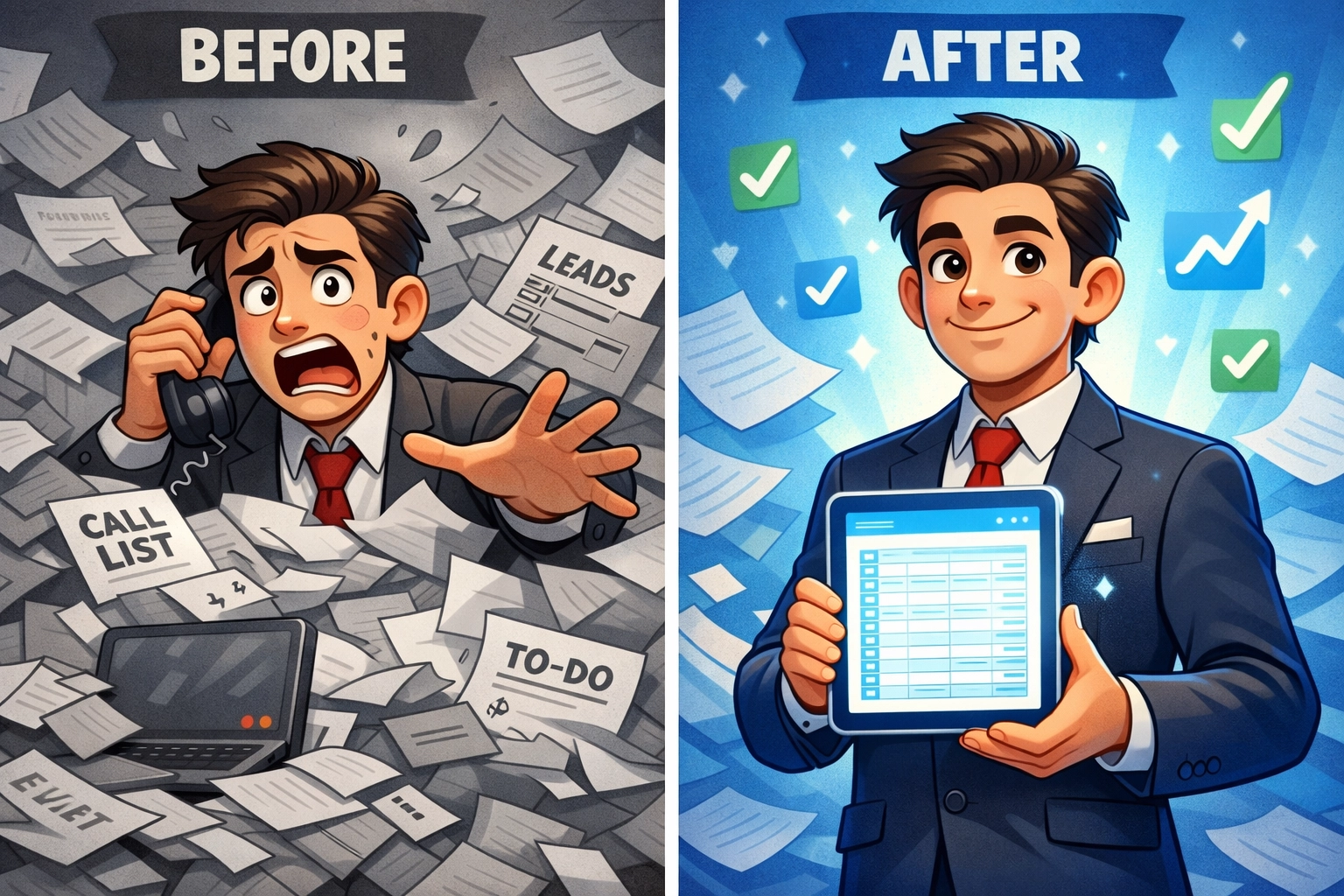
Here's my exact process. No CRM integrations. No fancy automations. Just a clean Excel spreadsheet and a strategic game plan.
Step 1: Pick Your Farm Zones
I use Next List Ai's exclusive ZIP code model to lock down two high-opportunity areas in my market. Each ZIP has 150-200 likely-to-sell homes. I'm the only agent working that predictive data in those zones, so I'm not competing with three other agents mailing the same list.
Step 2: Download the Excel List
The list comes as a simple spreadsheet. No proprietary software. No learning curve. Just property addresses, owner names, likelihood scores, equity estimates, and key data points. I can sort by score, filter by price range, and segment by whatever criteria matters for my strategy.
Step 3: Layer My Touch Campaigns
I don't hit all 300 homes at once. I segment:
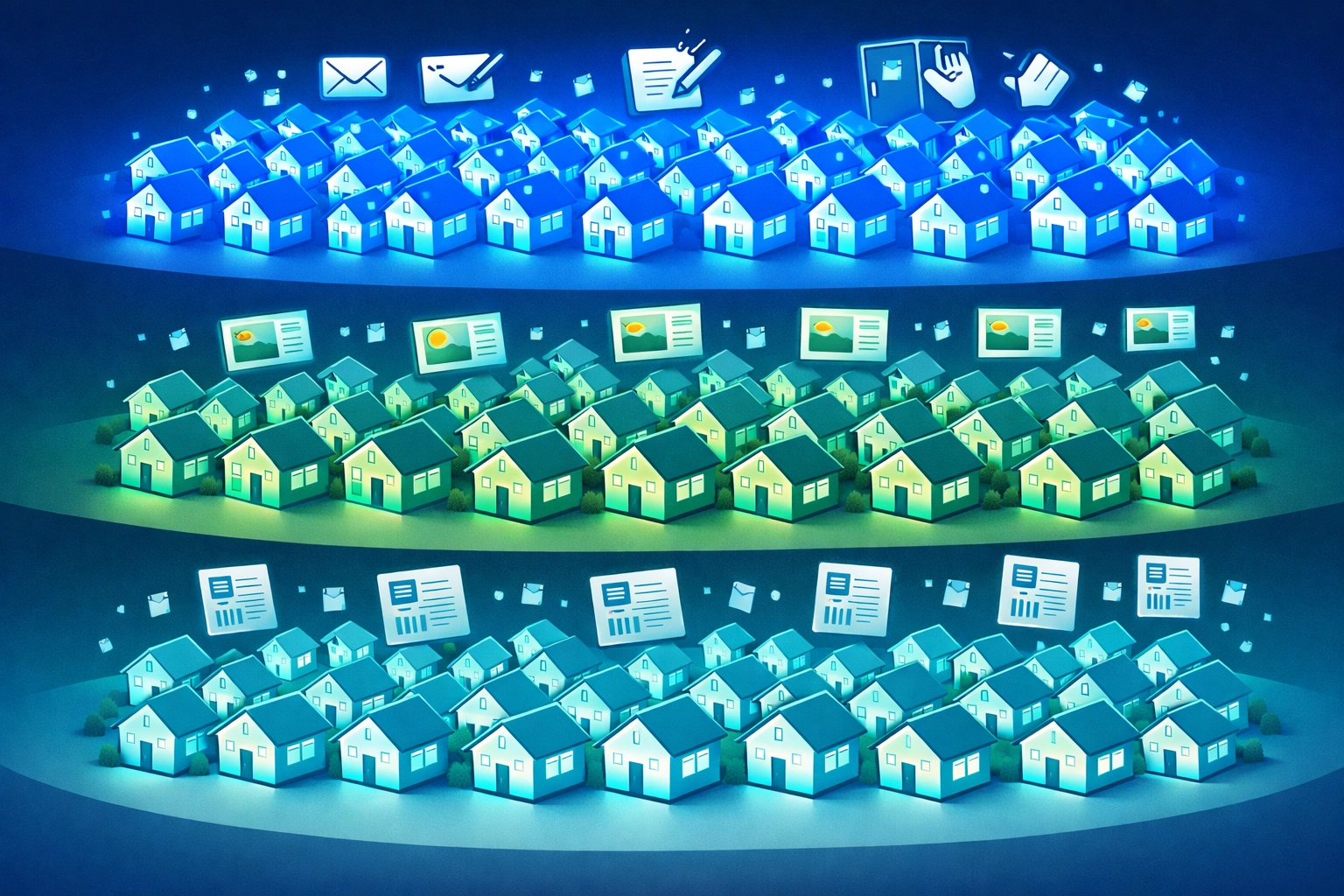
- Tier 1 (Top 100 scores): Monthly direct mail + handwritten notes + door-knocking rotations
- Tier 2 (Next 100 scores): Bi-monthly postcards + digital retargeting if I can match emails
- Tier 3 (Next 100 scores): Quarterly neighborhood market reports
The key is consistency. I'm not trying to force a listing. I'm staying top-of-mind so when they're ready, I'm the obvious call.
Step 4: Track and Refine
Every 90 days, I pull a fresh list. Some homes move up in likelihood. Some drop off. Some list with other agents (which tells me my competitor beat me to the relationship). I adjust my approach based on what's working and where I'm seeing traction.
What $179-$599 Gets You (And Why It's Stupid Cheap)
Let's talk money. A single predictive list for one ZIP code costs between $179-$599 depending on the package. That gives you 150-300 high-intent properties, fresh data, and 180-day prediction windows.
Compare that to:
- Zillow Premier Agent: $500-$2,000/month for cold buyer leads you're competing over with five other agents
- Direct mail to 3,000 homes: $3,000-$5,000 for a single drop with sub-1% response rates
- Traditional lead generation services: $50-$150 per lead with zero exclusivity
When I spend $400 on a Next List Ai exclusive ZIP, I'm getting 200 likely-to-sell properties that no other agent in my market is targeting with the same data. If I close two listings from that list, I've made 50x ROI minimum.
That's not a marketing expense. That's a steal.
The Shift From "More" to "Better"
I don't miss the days of grinding through 3,000 cold calls, hoping someone picked up and didn't immediately hang up.
Micro-farming with predictive data changed my approach. I went from scatter-shot prospecting to surgical targeting. From exhausting volume plays to efficient, high-yield campaigns.
Here's what I know now: You don't need to dominate an entire market. You just need to dominate the right 300 homes at the right time.
The agents still cold-calling their way through massive databases? They're burning time and budget. The agents using AI-powered likely-to-sell data? We're booking appointments with homeowners who were already 60 days into their decision process before we ever knocked on the door.
If you're still playing the numbers game, ask yourself this: Would you rather fight for scraps in a crowd of 3,000 random homes, or dominate a curated group of 300 where the sellers are actually ready to move?
I know which side I'm on. And in 2026, micro-farming isn't just a strategy: it's the standard for agents who want predictable, profitable pipelines without burning out on cold outreach.
Ready to try it? Grab your first exclusive ZIP code and see what 300 high-intent homes can do for your listing inventory. You might just wonder why you ever wasted time on the other 2,700.