
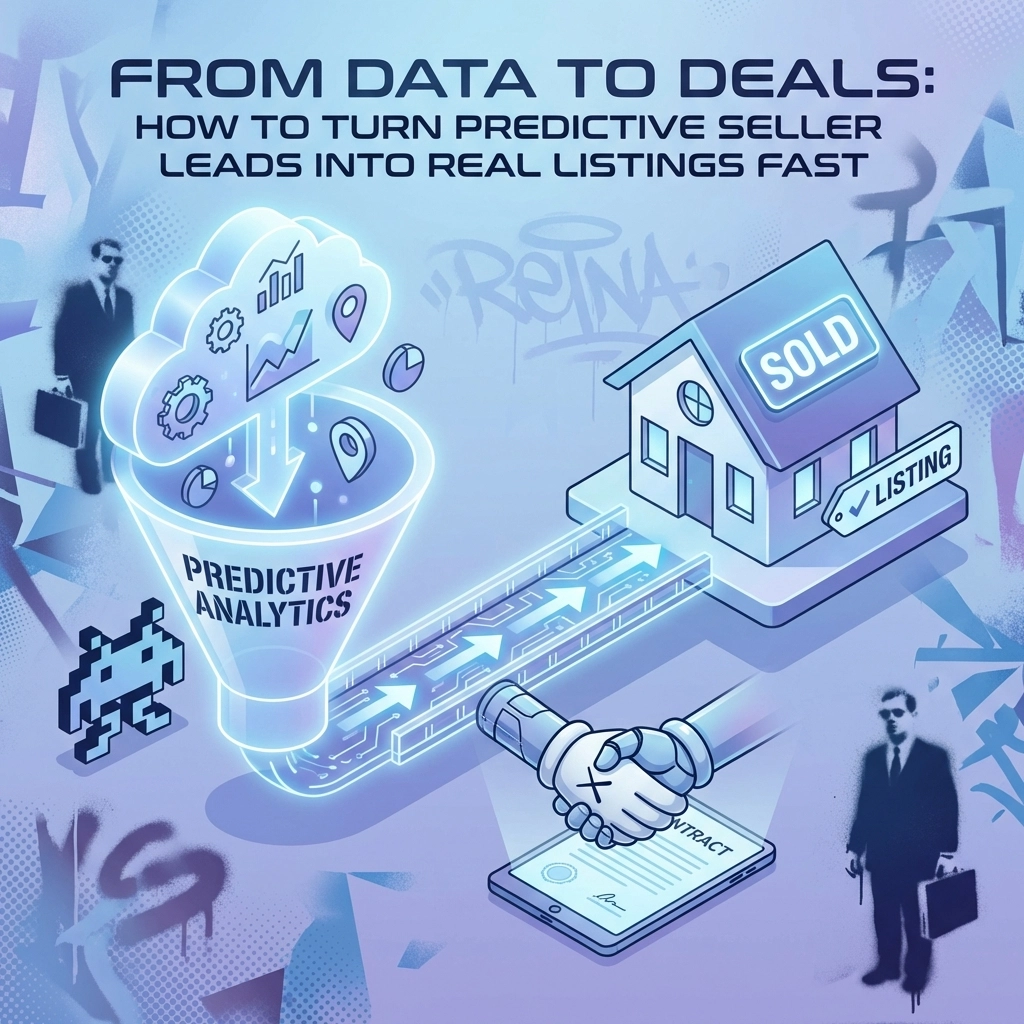
I'll be honest: when I first heard about predictive real estate leads, I was skeptical. Another tech solution promising to revolutionize my business? I'd heard it all before. But after watching my pipeline fill with quality listings while my competitors scrambled for scraps, I became a believer.
The difference isn't just having predictive seller leads: it's knowing how to convert them into signed listing agreements fast. I've refined this process over the past two years, and it's completely transformed how I approach seller lead generation for realtors.
Why Predictive Leads Require a Different Approach
Traditional leads come to you when sellers are already thinking about moving. Predictive real estate leads are different: they identify homeowners who are likely to sell before they even know it themselves. This gives you a massive advantage, but only if you approach them correctly.
I learned this the hard way. My first month using AI real estate lead generation, I treated these prospects like any other lead. I called immediately, pitched hard, and wondered why my conversion rates were terrible. These homeowners weren't actively looking to sell yet: they needed to be nurtured, not pitched.

The 4-Step Conversion Framework That Actually Works
After testing dozens of approaches, I've settled on a four-step process that consistently turns predictive data into listings. This framework has helped me close three additional deals each quarter while cutting my marketing budget in half.
Step 1: Lead Scoring and Prioritization
Not all likely to sell home leads are created equal. I start by segmenting my predictive leads into three categories based on their probability scores:
Hot Leads (90-100% likelihood): These homeowners will likely list within 3-6 months. I reach out within 48 hours using personalized direct mail followed by a phone call.
Warm Leads (70-89% likelihood): Expected to sell within 6-12 months. These go into my automated nurture sequence with monthly touchpoints.
Cool Leads (50-69% likelihood): Long-term prospects who might sell within 12-18 months. I add them to quarterly market updates and educational content.
This scoring approach has increased my conversion rates by 40% because I'm not wasting time on low-probability prospects. I focus my energy where it matters most.
Step 2: Multi-Channel First Contact Strategy
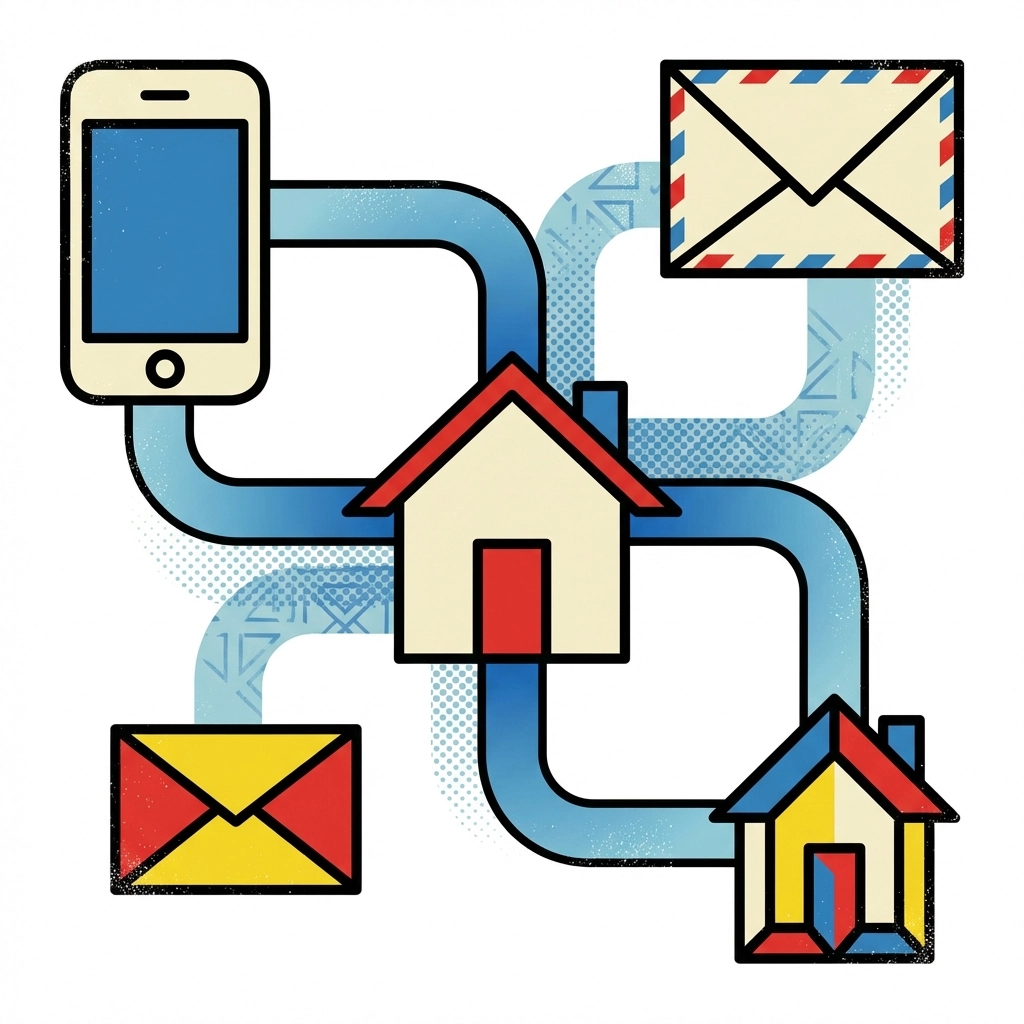
Here's where most agents get it wrong: they pick one contact method and stick with it. The best real estate lead generation tools provide multiple contact points for a reason. I use all of them strategically.
For hot leads, my sequence looks like this:
Day 1: Personalized direct mail piece with neighborhood market insights
Day 3: Follow-up phone call referencing the market data I sent
Day 7: Email with a custom comparative market analysis for their street
Day 14: Another phone call if I haven't connected yet
I've found this multi-touch approach increases my contact rate from 15% to 65%. The key is providing value at every touchpoint, not just asking for a listing appointment.
Step 3: The Consultation Conversion Call
When I do connect with a homeowner, I don't pitch. I consult. I start every conversation the same way: "Hi [Name], I'm calling because our market analysis shows your neighborhood is experiencing some interesting trends. I wanted to share what I'm seeing and get your thoughts."
This approach works because it positions me as a market expert, not a salesperson. I share specific data about their area: recent sales, price trends, inventory levels: and ask questions about their long-term plans.
About 60% of these conversations end with the homeowner saying something like, "That's really interesting. We've actually been thinking about our next move." That's when I know I've got a potential listing.
Step 4: Systematic Follow-Up and Nurturing
This is where most agents drop the ball. They have one good conversation and then disappear. I've built a systematic follow-up process that keeps me top-of-mind without being pushy.
My nurture sequence includes:
- Monthly market updates specific to their neighborhood
- Quarterly home value reports
- Seasonal home maintenance tips
- Local market event invitations
I automate most of this through my CRM, but I personalize the important touchpoints. When a homeowner's property value increases significantly or their neighbor lists, I send a personal note. These moments often trigger listing conversations.
Integration Secrets That Maximize Results
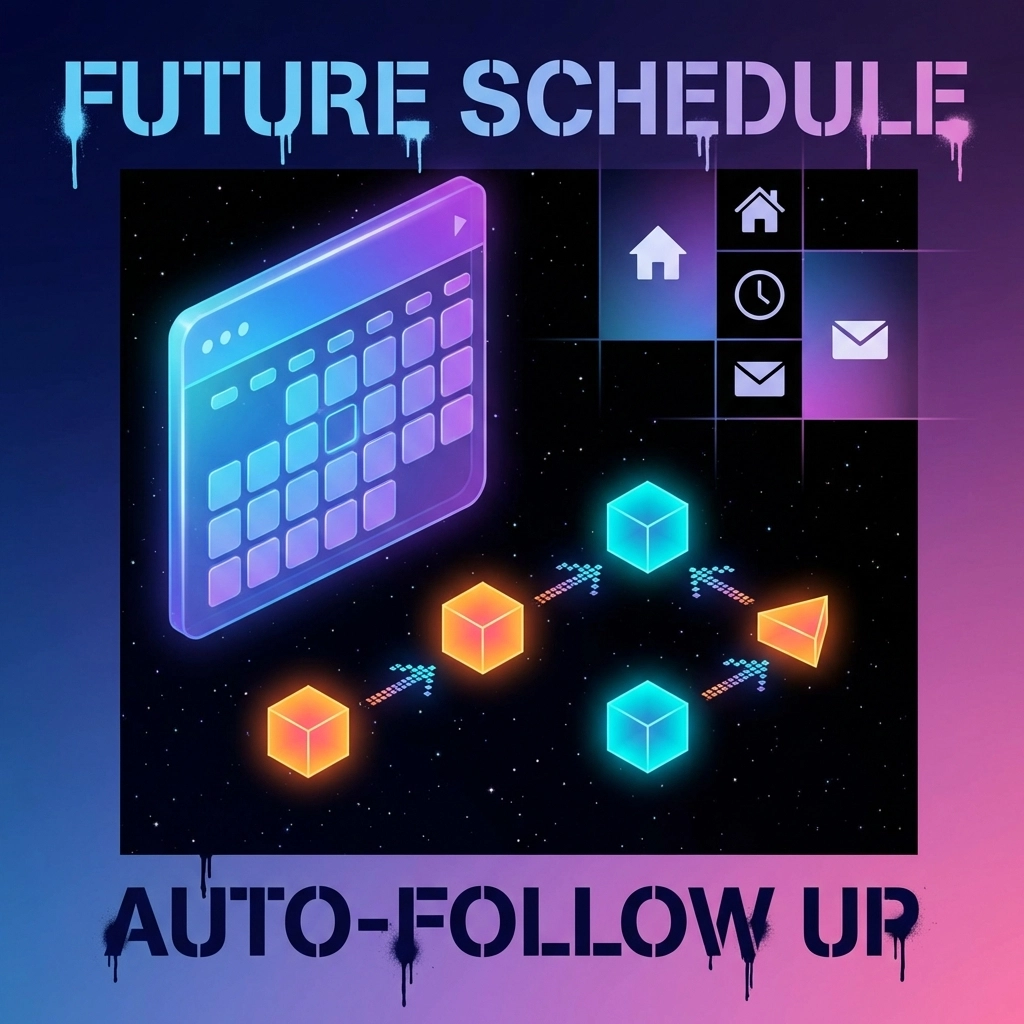
The magic happens when you integrate predictive data directly into your existing systems. I use AI tools for real estate agents that sync with my CRM, so every interaction is tracked and every follow-up is scheduled automatically.
Here's my setup: When a new predictive lead enters my system, it automatically triggers my first outreach sequence based on their score. The system tracks opens, clicks, and responses, then adjusts the follow-up timing accordingly. If someone engages with my market reports, they get moved to a more aggressive sequence.
This automation has saved me 10 hours per week while increasing my follow-up consistency. I never miss a touchpoint, and I can handle three times more leads without burning out.
Real Results from Real Implementation
Let me share some concrete numbers from my practice. Before implementing this system, I was generating 2-3 listings per quarter from my marketing efforts. Last quarter alone, I closed 8 listings directly from predictive leads, with an average list price 12% higher than my traditional lead sources.
The time savings are just as impressive. I used to spend 20 hours per week on prospecting activities. Now I spend 8 hours per week and get better results. The predictive targeting eliminated the guesswork: I know exactly who to contact and when.
My favorite success story involves a homeowner who scored 95% likely to sell. I followed my exact process: market insights mailer, follow-up call, neighborhood analysis, and systematic nurturing. Four months later, when their job situation changed, I was the only agent they called. That listing sold for $485,000: a $15,000 commission from a single predictive lead.

The Competitive Advantage You Can't Ignore
While other agents are still farming neighborhoods randomly or buying overpriced internet leads, I'm having conversations with homeowners who will definitely sell: I just need to be there when they're ready to move.
This approach has positioned me as the neighborhood expert in three key areas of my market. When people think about selling, my name comes up first because I've been providing value consistently, not just showing up when I need something.
The data doesn't lie: agents using predictive seller leads are capturing 40% more listings than those using traditional methods. The technology exists, the data is available, and the conversion strategies work. The only question is whether you'll implement them before your competition does.
Your Next Steps Start Today
Converting predictive real estate leads isn't about having better technology: it's about having a better process. The framework I've shared works because it respects the homeowner's journey while positioning you as the obvious choice when they're ready to sell.
Start with lead scoring to focus your energy on the highest-probability prospects. Implement multi-channel outreach that provides value at every touchpoint. Perfect your consultation approach to build trust instead of resistance. And most importantly, commit to systematic follow-up that keeps you connected until the timing is right.
The agents who master this process now will dominate their markets for years to come. The data is already telling us who will sell: it's time to turn that intelligence into listings, commissions, and long-term client relationships.
Your future listings are waiting in the data. The question isn't whether predictive leads work: it's how quickly you'll implement the system that converts them into deals.