
I used to think top-performing agents had some magic formula for finding sellers before anyone else. Turns out, I was half right. There's definitely a formula: but it's not magic. It's predictive real estate leads powered by AI, and honestly, it's simpler than most agents realize.
After spending months researching how the top 1% of agents consistently find likely to sell home leads, I discovered they're not working harder. They're working smarter with real estate predictive analytics tools that do the heavy lifting for them.
Here's what I learned about the "secrets" they use: and why you should be using them too.
The Truth About Traditional Lead Generation
Let me start with a reality check. While most agents are still cold calling random homeowners or waiting for expired listings to hit the market, top agents moved on years ago. They figured out something crucial: timing is everything in real estate.
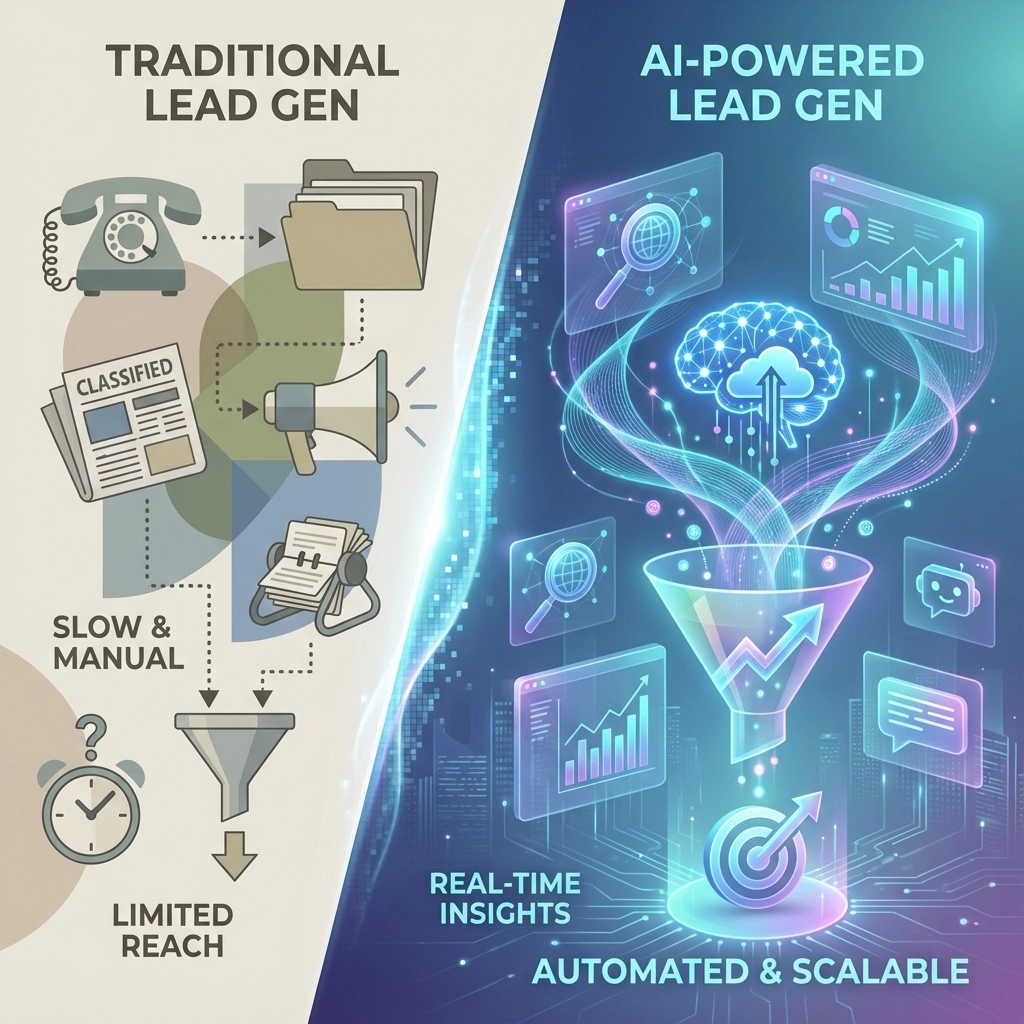
The traditional approach looks like this: wait for a listing to expire, chase FSBO leads, or buy generic lead lists where you're competing with dozens of other agents. It's exhausting, expensive, and frankly, outdated.
Top agents cracked the code on how to find home sellers before they list. They're not psychics: they're using data.

Secret #1: They Use Predictive Behavioral Signals
Here's the first thing I discovered: successful agents don't guess who might sell. They use AI real estate lead generation to identify behavioral patterns that predict selling intent 6-12 months ahead of time.
The signals they track include:
- Property search behavior: Homeowners researching their home's value or comparable sales
- Life event indicators: Job changes, marriage, divorce, retirement patterns
- Market timing signals: Length of homeownership, equity accumulation, neighborhood trends
- Digital footprints: Engagement with real estate content, social media activity
I was shocked to learn that predictive seller leads software can identify these patterns with 70-80% accuracy. That means while other agents are playing the lottery with cold leads, top performers are connecting with homeowners who are already thinking about selling.
Secret #2: They Score Every Lead Before Making Contact
This blew my mind. Top agents don't treat all leads equally: they use sophisticated lead scoring that ranks prospects by conversion probability.
Here's how real estate predictive analytics handles this:
High-probability leads (scores 80-100): Homeowners showing multiple selling signals, actively researching market conditions, or experiencing life changes that typically trigger moves.
Medium-probability leads (scores 50-79): Properties with market indicators like high equity or long ownership periods, but fewer immediate behavioral triggers.
Low-probability leads (scores below 50): General inquiries or prospects without clear selling signals.
The difference? Top agents spend 80% of their time on high-probability leads and automate follow-up for everyone else. It's not about working more: it's about working on the right people at the right time.

Secret #3: They Automate the Heavy Lifting
I used to think successful agents were just naturally better at prospecting. Wrong. They use AI tools for real estate agents to handle the repetitive tasks so they can focus on relationship building and closing deals.
Their automated systems:
- Monitor thousands of properties for selling signals
- Send personalized outreach campaigns based on lead scores
- Track engagement and adjust messaging automatically
- Schedule follow-ups based on response patterns
- Update lead scores as new data becomes available
While I was manually researching prospects and sending generic emails, they had seller lead generation for realtors systems working 24/7 to identify and nurture potential sellers.
Secret #4: They Think in Terms of Predictive Windows
Here's something most agents miss: there's an optimal window for contacting potential sellers. Too early, and you're annoying. Too late, and they've already chosen an agent.
Top agents use real estate lead prediction software to identify this sweet spot: usually 3-6 months before a homeowner seriously considers listing. This gives them time to build relationships and position themselves as the obvious choice when selling time comes.
I learned they focus on homeowners who are:
- 18-36 months into homeownership (past the honeymoon phase)
- Sitting on significant equity gains
- In neighborhoods with increasing sales activity
- Showing early research behaviors

The Problem with "Secrets"
Here's the thing I realized: these aren't really secrets anymore. They're standard practices among successful agents. The real secret is implementation.
Most agents know they should use data-driven approaches, but they get stuck on:
- Information overload: Too many data points to analyze manually
- Technology barriers: Complex systems that require extensive training
- Cost concerns: Enterprise-level tools with hefty price tags
- Time constraints: No bandwidth to learn new systems while maintaining current business
That's where solutions like Next List Ai come in. Instead of requiring you to become a data scientist, they make predictive lead generation accessible to any agent willing to embrace smarter prospecting.
How Next List Ai Levels the Playing Field
I've tested dozens of best real estate lead generation tools, and what sets Next List Ai apart is simplicity without sacrificing sophistication.
Here's what I mean:
Predictive Accuracy: Their AI analyzes hundreds of data points to identify homeowners most likely to sell in the next 6-12 months. No guesswork, no generic lists.
Automated Prioritization: Every lead comes with a probability score, so you know exactly where to focus your energy.
Real-Time Updates: As market conditions change or homeowners show new selling signals, your lead scores update automatically.
Actionable Insights: Instead of raw data, you get specific recommendations on how and when to approach each prospect.
The best part? You don't need a computer science degree to use it effectively.

Your Action Plan for Predictive Lead Generation
Ready to implement what top agents already know? Here's your roadmap:
Week 1: Audit your current lead sources. Calculate your conversion rates and time-to-close for different lead types. Most agents are surprised by how inefficient their current methods actually are.
Week 2: Research predictive seller leads software options. Look for platforms that offer transparent scoring methodologies and proven accuracy rates.
Week 3: Start small with a pilot campaign. Test predictive leads against your traditional sources. Track not just conversion rates, but also the quality of conversations and speed to closing.
Week 4: Scale what works. Once you see the difference in lead quality, gradually shift more of your prospecting efforts toward predictive analytics.
The Competitive Reality
I'll be honest with you: this isn't optional anymore. While you're debating whether to embrace AI real estate lead generation, your competition is already building relationships with next year's sellers.
The agents who adapt to predictive lead generation now will dominate their markets. Those who don't will keep struggling with the same outdated methods that worked a decade ago but feel increasingly ineffective today.
Making the Switch
The transition doesn't have to be dramatic. I recommend starting with 20-30% of your prospecting time focused on predictive leads while maintaining your existing strategies. Once you see the difference in conversation quality and conversion rates, the choice becomes obvious.
Remember, the goal isn't to replace relationship building with technology: it's to use technology to build better relationships with the right people at the right time.
The "secrets" are out. Predictive lead generation is becoming standard practice among successful agents. The question isn't whether you should adopt these strategies: it's how quickly you can implement them before your competition gains an insurmountable advantage.
Top agents aren't keeping these techniques secret because they're selfish. They're keeping them competitive because they work. Now that you know what they know, the only question is: what are you going to do about it?