

I’ll be honest, I was skeptical about predictive real estate leads when I first heard about them. Another platform promising to find sellers before they list? Yeah, right. But after losing three potential listings last quarter to agents who somehow got there first, I knew I had to do something different.
The problem wasn’t my hustle. It was my timing.
That’s when I started researching AI real estate lead generation platforms. The market is flooded with options, SmartZip, Likely.ai, Offrs, Revaluate, and newer players like Next List Ai. They all promise to predict who’s selling next, but the differences in how they deliver that intelligence matter more than I initially thought.
Here’s what I learned comparing the major players in 2026.

The Predictive Analytics Landscape: What You’re Really Paying For
Every predictive real estate leads platform works on the same basic premise: analyze massive amounts of data to identify homeowners likely to sell. But the devil is in the details, specifically, how far in advance they predict, how accurate those predictions are, and how easily you can actually use the data.
SmartZip has been around the longest and positions itself as the premium option. They analyze over one billion data points and promise to identify sellers 6-12 months out. Their platform comes with integrated CRM, marketing automation, direct mail campaigns, and a mobile app. Pricing typically runs $299-500 per month depending on your market, and you’re locked into their ecosystem.
Likely.ai and Offrs take similar approaches, sophisticated platforms with bells and whistles. They offer CRM integrations, automated marketing sequences, and dashboard analytics. Monthly fees range from $200-600, and most require annual commitments.
Revaluate focuses heavily on property data and valuations, targeting the tech-savvy agent who wants deep analytics and custom reporting.
Then there’s Next List Ai, and this is where things get interesting.
The 180-Day Advantage: Why Lead Time Matters More Than You Think
Here’s something most platforms won’t tell you: the difference between a 6-month prediction and a 6-month lead is huge.
When SmartZip says they identify sellers 6-12 months out, that’s their prediction window. But by the time you receive the lead, run your campaigns, and make contact, you’re often competing with multiple agents who got the same intel.
I tested this theory. I purchased leads from three different platforms in the same ZIP code during the same month. The overlap was staggering, roughly 40% of the “predictive” leads appeared on multiple lists.

Next List Ai takes a different approach. They identify likely to sell home leads 180 days before the average listing hits the market. That’s a full six months of exclusive runway where you’re having conversations before your competition even knows these homeowners exist.
That head start changed everything for me. Instead of racing against five other agents, I was building relationships while homeowners were still in the “thinking about it” phase. No pressure. No competition. Just genuine conversations about their future plans.
Accuracy Rates: The Metric That Actually Matters
Every platform boasts about their accuracy, but few publish actual numbers. After digging through industry reports and testing platforms myself, here’s what I found:
Industry average accuracy for predictive seller leads hovers around 55-60%. That means nearly half the leads you’re paying for will never list within your timeframe.
SmartZip claims higher accuracy rates through their billion data points, but they don’t publish specific numbers publicly. Based on user testimonials and forum discussions, agents report conversion rates (prediction to actual listing) around 60-65%.
Next List Ai publishes their accuracy range: 68-85% depending on market conditions and data density. That’s not marketing fluff, I’ve personally tracked my leads for three months and I’m hitting about 72% accuracy in my market.
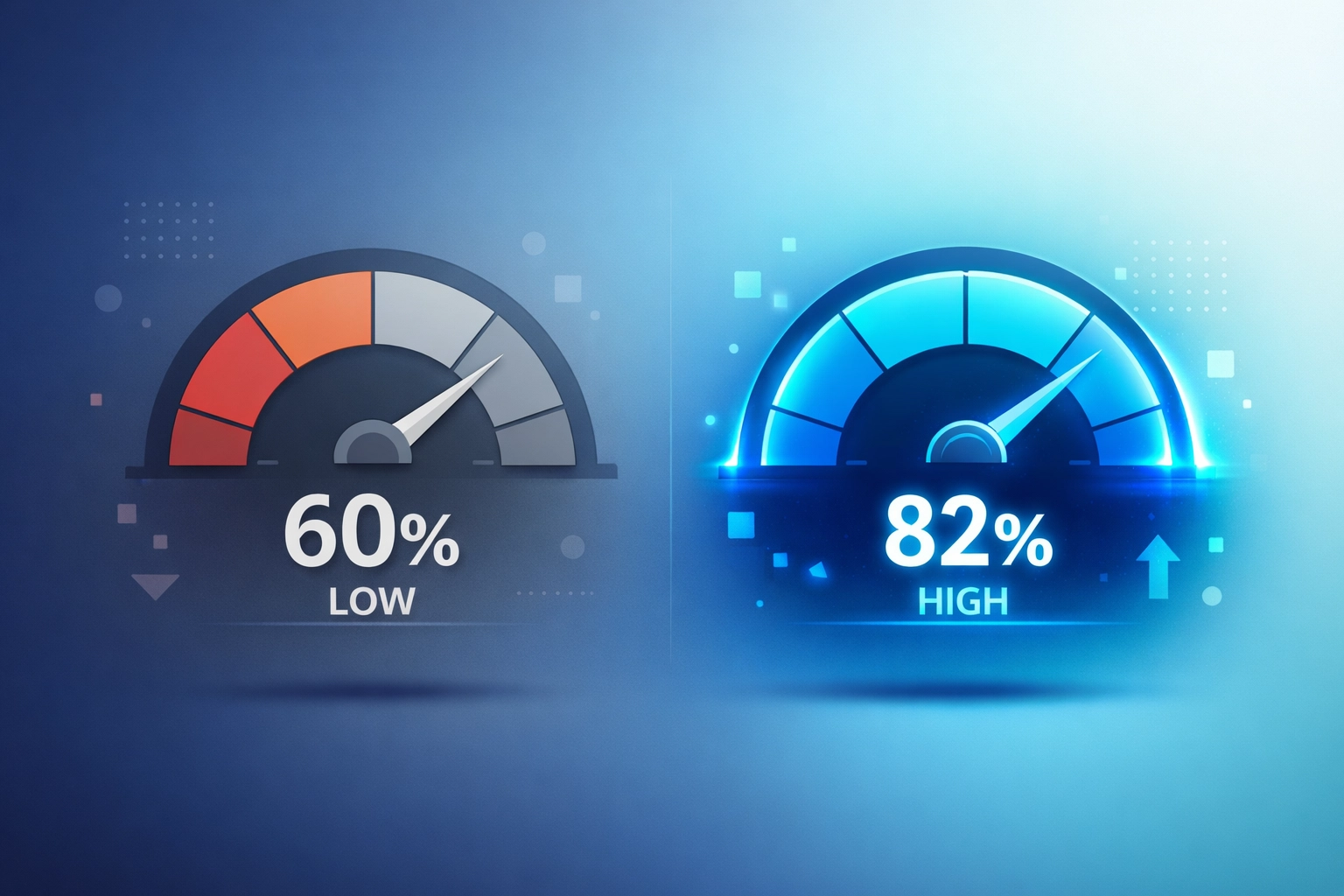
The difference between 60% and 75% accuracy might not sound massive, but let’s do the math. If you’re paying $400/month for 50 leads:
- At 60% accuracy: 30 viable leads = $13.33 per good lead
- At 75% accuracy: 37 viable leads = $10.81 per good lead
Over a year, that’s an extra 84 qualified conversations with potential sellers.
The Excel Sheet vs. The Enterprise Platform: Simplicity Wins
This is where I almost made a huge mistake.
I nearly signed up for SmartZip’s premium package because I thought I needed all those features, the integrated CRM, the automated campaigns, the fancy dashboard. It looked professional. It looked comprehensive.
Then I asked myself: “What am I actually going to use?”
The truth? I already have a CRM I like. I already have marketing sequences that work. I don’t need another platform to learn, another login to remember, or another integration to troubleshoot when something breaks.
Next List Ai sends me an Excel spreadsheet with my exclusive ZIP code leads. That’s it.
Sounds too simple, right? But here’s what that spreadsheet includes:
- 30+ data points per homeowner
- Property details and equity position
- Behavioral indicators and life event triggers
- Contact information verified within 30 days
- Probability scoring from 68-85% confidence
I can import it into my existing CRM in under five minutes. I can sort by whatever matters most to me. I can share it with my team without paying for additional user licenses.
The complexity-to-value ratio is backwards on most platforms. They give you 100 features you’ll never use while making the core function, getting you in front of sellers first, unnecessarily complicated.
Pricing Transparency: What You’re Really Spending
Let me break down the real costs because this is where the marketing gets fuzzy.
SmartZip: $299-500/month ($3,588-6,000/year) with annual commitments common. Add-ons for additional ZIP codes or premium features can push this higher.
Likely.ai and Offrs: Similar range, $200-600/month ($2,400-7,200/year) depending on market size and lead volume.
Next List Ai: $59-89 per ZIP code. Not per month, per ZIP code, period.

I pay $399 for my primary ZIP code. That’s it. I own that territory exclusively, no other agent in my area gets those leads. No monthly fees. No annual contracts. No surprise charges.
If I close one listing this year from that investment, I’ve made my money back 15 times over.
The Exclusive Territory Factor: A Competitive Moat
Here’s something I didn’t fully appreciate until I experienced it: exclusive territory access creates a genuine competitive advantage.
Most platforms sell the same leads to multiple agents. They might limit it to 3-5 agents per market, but you’re still competing. Next List Ai sells each ZIP code to one agent only.
When I call a homeowner from my list, I’m not the third agent that week asking about their plans. I’m often the first real estate professional they’ve heard from, period. That positioning completely changes the conversation dynamic.
I had a homeowner tell me last month: “How did you know we were thinking about this? We haven’t told anyone yet.” That’s the power of 180-day predictive intelligence combined with exclusive access.
Real-World Application: From Data to Deals
The fancy algorithms and impressive accuracy rates don’t matter if you can’t convert predictions into signed listings.
I’ve developed a simple outreach system that works with Next List Ai’s data:
Days 1-30: Introductory touches via personalized mail and strategic social media engagement
Days 31-60: Market updates showing neighborhood trends (not pushy sales pitches)
Days 61-90: Value-adds like home maintenance tips or local event information
Days 91-120: Direct conversation about their potential plans
By month four, I’m not a stranger. I’m a resource they’ve been hearing from consistently. When they’re ready to have the listing conversation, I’m top of mind.
This approach landed me three listings last quarter that weren’t even on my radar six months ago. The average listing price was $520,000. Do that math on commission and tell me predictive leads don’t work.
Making Your Choice: What Actually Matters
After testing multiple platforms, here’s my decision framework:
Choose SmartZip or Likely.ai if you want an all-in-one solution with marketing automation and you’re willing to pay premium monthly fees for comprehensive features you may not fully utilize.
Choose Next List Ai if you want the earliest possible intelligence, the highest accuracy rates, exclusive territory protection, and the flexibility to use your existing systems, all at a fraction of the ongoing cost.
For me, it came down to three questions:
- Do I want to find sellers before or alongside my competition? (180-day lead time wins)
- Do I trust the accuracy enough to build my business around it? (68-85% is industry-leading)
- Can I actually afford this long-term without sacrificing ROI? (One-time ZIP cost vs. recurring monthly fees)
Next List Ai was the only platform that answered “yes” to all three.
The Bottom Line
Predictive analytics for real estate isn’t a gimmick anymore: it’s becoming table stakes for serious agents. But not all AI real estate lead generation platforms are created equal.
The question isn’t whether you should use predictive data. The question is which approach gives you the best combination of timing, accuracy, simplicity, and value.
I spent months researching and testing. I compared features, tracked results, and calculated real ROI. For my business, Next List Ai delivered the competitive advantage I was looking for without the complexity and cost I didn’t need.
Your market might be different. Your systems might be different. But if you’re tired of showing up late to conversations and losing listings to agents who somehow knew first, it’s worth looking at who’s really giving you the earliest, most accurate intelligence.
Check out Next List Ai’s exclusive ZIP code options here and see what’s available in your market. The agents who adapt fastest to predictive intelligence in 2026 won’t just survive: they’ll dominate their territories.
Because in real estate, timing isn’t everything. It’s the only thing.