

I spent $47,000 on Google Ads last year chasing seller leads. I got exactly three listings from it. Three.
When I did the math, each listing cost me roughly $15,700 in ad spend alone: not counting the hours I wasted following up with people who had zero intention of selling their homes anytime soon. That was my wake-up call. PPC isn't broken for everyone, but for agents who want listings specifically, there's a fundamental problem with the model that no amount of optimization can fix.
Let me explain why I made the switch to predictive seller leads in late 2025, and why I genuinely believe it's the only scalable path forward for listing-focused agents in 2026.
The Hidden Math Behind PPC for Listings
Here's what most agents don't realize about running PPC campaigns for seller leads: you're paying for intent that doesn't exist yet.
When someone searches "how much is my home worth" or "sell my house fast," they might be curious. They might be six months away from even considering a move. Or they might be a competitor doing research. You pay for that click regardless.

The numbers I've tracked tell a sobering story:
- Average cost per click for real estate seller keywords: $12-35
- Conversion rate from click to actual lead: 2-4%
- Conversion rate from lead to listing appointment: 5-10%
- Conversion rate from appointment to signed listing: 20-30%
When you multiply those percentages together, you're looking at roughly 0.02% to 0.36% of your clicks turning into actual listings. At $25 per click, you need somewhere between 280 and 5,000 clicks to land one listing. That's $7,000 to $125,000 in ad spend per listing.
Sure, some agents crack the code. They optimize relentlessly, build killer landing pages, and run tight retargeting campaigns. Google's Performance Max is delivering better results for some: reportedly 39% improvements when set up correctly. But even at peak efficiency, you're still fishing in a pond where 97% of the fish aren't hungry.
Why PPC Fundamentally Struggles with Seller Leads
PPC works brilliantly when someone has immediate, transactional intent. "Buy running shoes online." "Order pizza near me." "Find a plumber today."
Selling a home isn't that kind of decision.
The average homeowner thinks about selling for 6-12 months before they actually list. During that window, they might search once or twice out of curiosity. They're not ready for your landing page. They're not ready for your drip campaign. They're definitely not ready for your "free home valuation" offer.
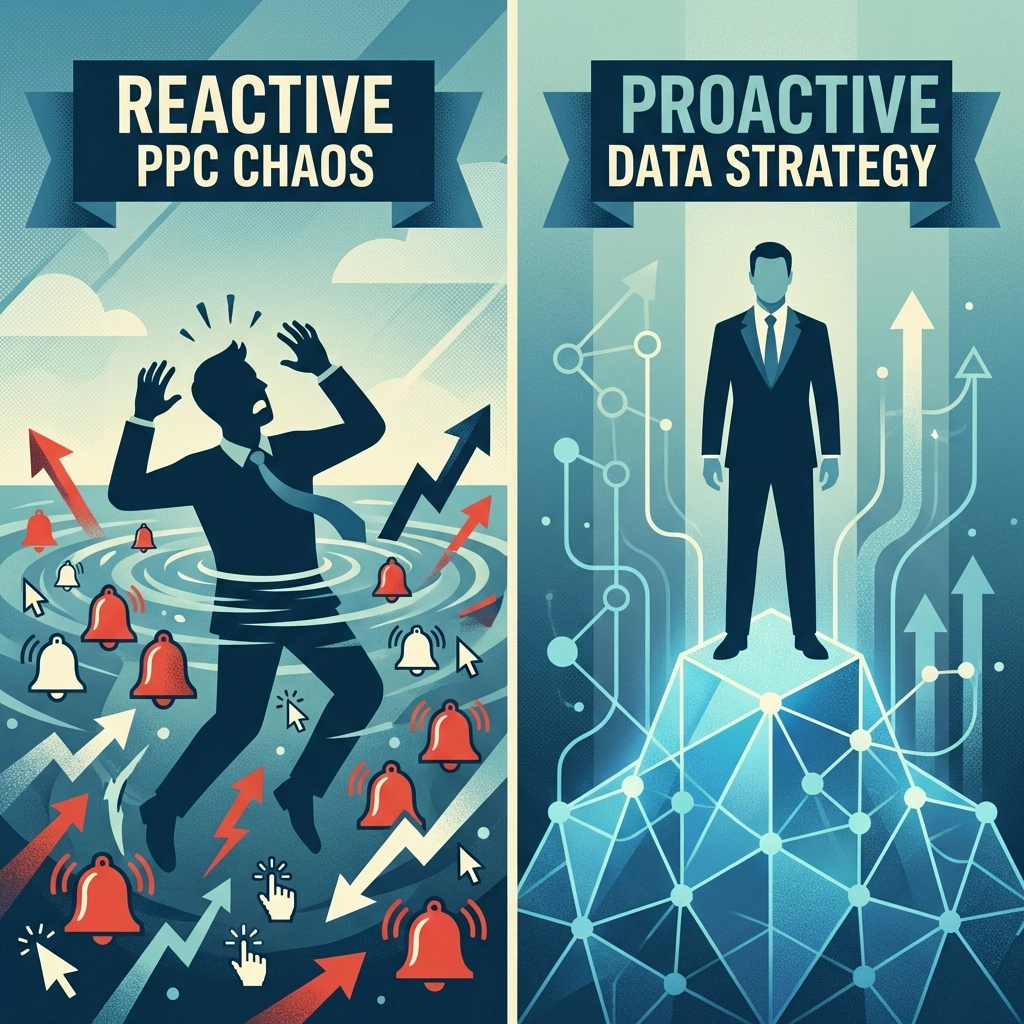
What you're really paying for with PPC is the privilege of interrupting people who aren't ready: and hoping your follow-up sequence is good enough to stay top-of-mind for half a year until they finally decide to move.
That's not a scalable strategy. That's a prayer wrapped in a marketing budget.
The Predictive Seller Lead Difference
I started testing predictive seller leads about eight months ago, mostly out of desperation. My PPC results had plateaued, my cost per acquisition was climbing, and I needed a different approach.
The concept is straightforward: instead of waiting for homeowners to raise their hand and search for selling information, predictive analytics identifies which homeowners are statistically likely to sell in the next 6-12 months based on behavioral, financial, and life-event data.
We're talking about signals like:
- Length of ownership relative to neighborhood averages
- Equity position changes and mortgage data
- Life events like retirement age, divorce filings, or job relocations
- Property characteristics that predict turnover
- Neighborhood selling patterns and timing
The accuracy rates I've seen hover between 68-85% depending on the data source and model. That means roughly 7 out of 10 homeowners flagged as "likely to sell" actually do list within 12 months.
Compare that to PPC, where maybe 1 in 50 leads turns into a listing.
My Real-World ROI Comparison
I ran both strategies simultaneously for six months to get clean data. Here's what I found:
PPC Campaign (January-June 2025):
- Total spend: $23,500
- Leads generated: 412
- Listing appointments: 31
- Signed listings: 6
- Cost per listing: $3,917
Predictive Seller Lead Campaign (January-June 2025):
- Total spend: $4,200 (data + direct mail)
- Homeowners contacted: 850
- Listing appointments: 28
- Signed listings: 9
- Cost per listing: $467
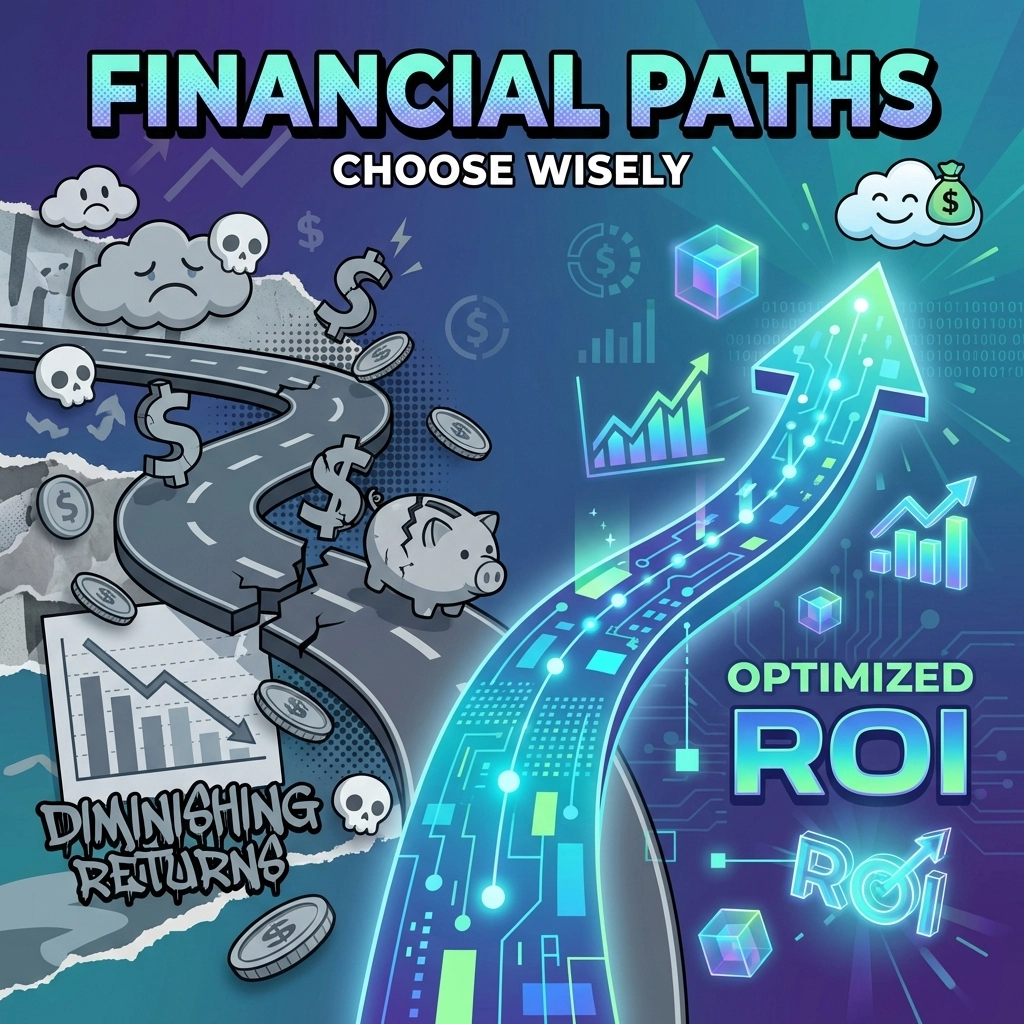
The predictive approach cost me roughly 88% less per listing. And here's the part that surprised me most: the quality of those listings was higher. Average sale price on my PPC-sourced listings was $340,000. Average sale price on my predictive-sourced listings was $485,000.
Why? Because PPC tends to attract distressed sellers, people in a hurry, folks who are price-shopping agents. Predictive leads catch homeowners before they're in that frantic mode: when they're still deciding whether to sell and which agent to trust.
The Sophistication Gap Most Agents Miss
I'll be honest: predictive seller leads require a different skill set than PPC.
With PPC, you set up your campaigns, write your ads, and wait for leads to come to you. It's reactive. You're responding to demand that already exists.
With predictive leads, you're reaching out to people who haven't decided to sell yet. That means your outreach needs to be strategic, not salesy. You're not asking "are you ready to list?" You're positioning yourself as the neighborhood expert they should call when they're ready.
The agents who fail with predictive leads treat them like portal leads: blast them with generic drip campaigns and hope for callbacks. The agents who succeed build genuine relationships over time, provide value upfront, and become the obvious choice when the homeowner finally decides to move.
This is where tools that integrate directly with your CRM become essential. You need to track touches, time your follow-ups intelligently, and personalize your outreach based on what you know about each homeowner's situation.
When PPC Still Makes Sense
I'm not suggesting you abandon PPC entirely. It still has a role: just not as your primary listing acquisition strategy.
PPC works for:
- Brand awareness in a new market
- Buyer leads (where intent is more immediate)
- Retargeting people who've already visited your site
- Specific niches like investors or luxury buyers
What PPC doesn't work for anymore is scalable, cost-effective seller lead generation. The economics simply don't support it in 2026's competitive landscape.

The Competitive Advantage Nobody's Talking About
Here's what keeps me up at night: in a good way.
Most agents in my market are still grinding away on PPC, portal leads, and cold calling expired listings. They're fighting over the same 3% of homeowners who are actively searching for selling information right now.
Meanwhile, I'm having coffee conversations with homeowners six months before they list. I'm the first agent they've talked to, not the fifth. I'm building relationships while my competitors are buying clicks.
That's not just a cost advantage. That's a positioning advantage. And in a market where differentiation is everything, getting to likely sellers first is the closest thing to a sustainable competitive moat I've found.
Making the Transition
If you're spending more than $2,000 a month on PPC for seller leads and not seeing consistent results, I'd encourage you to run a parallel test like I did. Keep your PPC running at a reduced budget, but allocate a portion to predictive data and targeted outreach.
Track everything. Cost per lead, cost per appointment, cost per listing. And pay attention to the quality metrics too: average sale price, days on market, how smoothly the transactions close.
My prediction: within 90 days, you'll see the same pattern I did. And you'll wonder why you waited so long to make the shift.
The agents who figure this out in 2026 will have a significant head start. The agents who keep pouring money into PPC hoping the math will somehow change? They'll be wondering where all their listings went.
I know which side of that equation I want to be on.